.webp?width=680&height=460&name=Minia%20Tracing%20blog%20(1).webp)
Summarize this article with:
Sommaire
In road freight transport (RFT), two concepts are often confused even though they are based on different principles: tracking and tracing. Understanding this distinction (transport tracking vs. tracing) is essential for carriers who want to effectively organize their traceability, from pickup to final delivery.
Tracking for the geolocation of freight
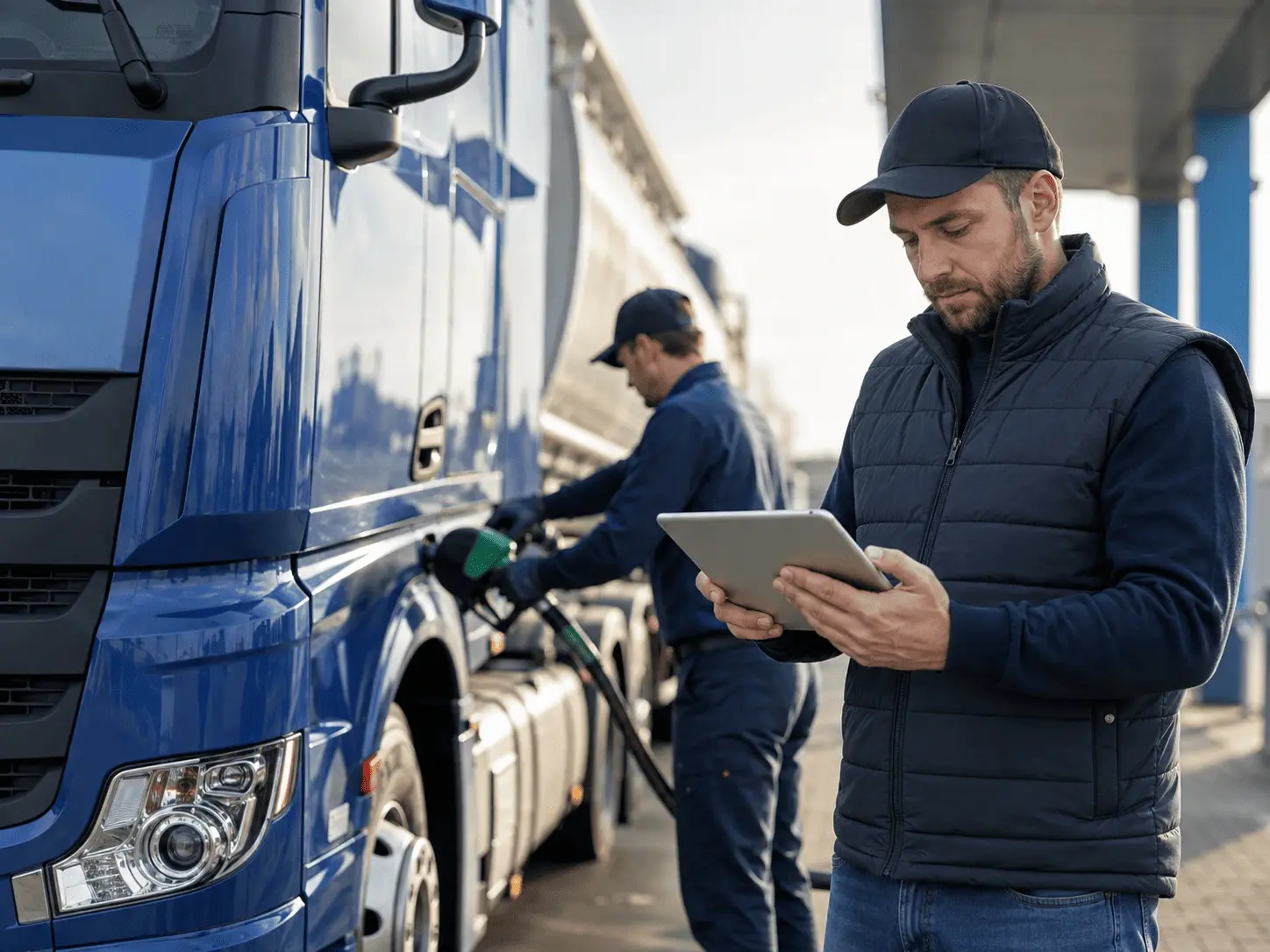
Tracking refers to the real-time monitoring of the physical movement of a truck or cargo. It allows you to precisely locate a vehicle at a given moment, track its route, and calculate the ETA (estimated time of arrival). This is strategic data, but ensuring its reliability is complex: freight transport often involves multiple parties, from the first to the last kilometer, with transshipments and vehicle changes that can complicate tracking.
Thanks to digital tools and an increasingly connected supply chain, carriers now have access to solutions capable of ensuring precise and continuous traceability throughout the supply chain, without relying solely on manual updates.
Tracing for Product Origin and Safety
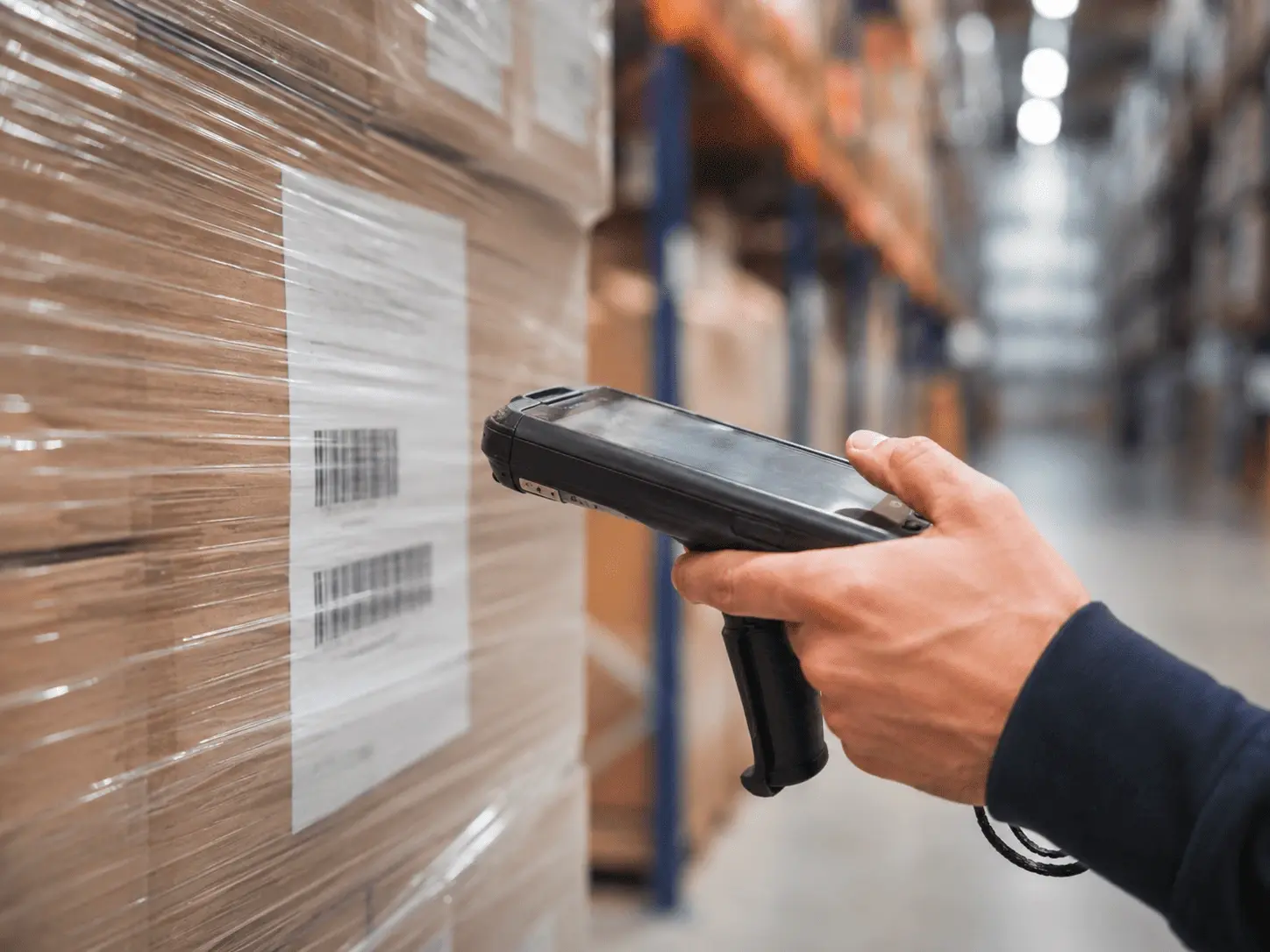
Tracing, on the other hand, relates more to logistics and product quality. It makes it possible to trace a product’s origin and all the stages it has gone through, from production to the end customer. This upstream/downstream traceability is mandatory in certain sensitive sectors, such as the food industry, where it is essential for product safety: the European General Food Law Regulation requires operators to be able to identify the origin and distribution path of any product at every stage of the supply chain.
For road carriers, tracing therefore involves being able to document every stage of transport (loading, temperatures for refrigerated shipments, transshipments) and link it to a specific product or batch.
Tracking and tracing: two complementary approaches for carriers
In practice, the two overlap: tracking feeds into tracing. Geolocation, timestamp, and delivery status data collected in real time become, once archived, the raw material for the documentary traceability required by certain clients or industry regulations.
This comprehensive traceability has become essential for road carriers, as it enables them, in particular, to:
- Identify incidents and respond quickly, thanks to real-time communication between the driver and dispatch—a critical factor during peak periods, when manual reporting quickly reaches its limits.
- Accurately communicate the delivery status and estimated time of arrival to the end customer—one of the five benefits of real-time tracking for your trucks and your profit margins.
- Manage disputes more easily—particularly those involving delays—by having time-stamped evidence to establish each party’s responsibilities.
- Meet the contractual requirements of certain clients, for whom the logistics traceability and real-time visibility demanded by shippers require real-time or delayed reporting.
What tools are available to implement traceability for a trucking company?
- Onboard computing systems and the electronic consignment note (eCMR): Data collected by each vehicle’s onboard system, combined with delivery confirmation via the eCMR, enables comprehensive tracking at every stage of transport. The eCMR benefits from an increasingly robust legal framework: the Additional Protocol to the Geneva CMR Convention, signed in 2008, sets out the conditions for issuing and validating the electronic consignment note for international transport, drawing in particular on the European eIDAS Regulation, which governs the legal recognition of electronic signatures within the EU. This framework is further strengthened by the eFTI (Electronic Freight Transport Information) Regulation, which took effect in 2024 and drives the shift toward fully digital management of transport data.
- Connected devices and IoT sensors —such as GPS trackers, temperature sensors, and door-opening sensors—enable tracking to be enhanced with reliable field data, particularly for temperature-controlled shipments or sensitive goods.
- A TMS to manage all information: software such as Sinari TMS Ready centralizes the traceability data collected at each stage and enables it to be used effectively to optimize routes, anticipate unforeseen events, and enhance the reliability of customer relationships.
- An online platform or web portal for sharing information: This type of tool connects the various stakeholders in the supply chain (shippers, carriers, recipients) and ensures continuous traceability throughout the entire transport process, even when multiple parties handle the same shipment in succession.
Toward More Stringent Traceability
The distinction between transport tracking and tracing will continue to blur as digital tools become more widespread. Clients increasingly expect end-to-end traceability, combining real-time tracking with a reliable documentation history—particularly to meet the requirements of industrial shippers and large retailers. Anticipating this convergence also means preparing for future regulatory requirements regarding digital transport data.
Need help better structuring the traceability of your road transport and/or logistics operations? Feel free to contact us to learn more about our software solutions, including Sinari TMS Ready!
.webp)

.webp)
.webp)
.webp)
.webp)
.webp)